Every morning, you likely wince at that patchy grass and overgrown shrubs, wondering how to landscape front yard spaces without draining your bank account. The intense pressure to maintain a perfect lawn is a massive pain point for many homeowners who feel completely overwhelmed by the sheer scope of outdoor renovations. Trying to figure out where to start often leads to expensive, highly frustrating mistakes at the local garden center.
To fix this frustrating mess properly, you need to start by assessing your soil, establishing a firm budget, installing heavy hardscaping first, and finally layering hardy native plants. We have spent many years in the professional landscaping business helping regular people completely transform their messy exteriors into welcoming spaces using this exact logical sequence.
You absolutely do not need a fancy horticulture degree to build a beautiful property that significantly raises your home value. By taking a highly methodical approach today, you can easily execute this outdoor project and avoid the expensive pitfalls that usually trap enthusiastic beginners.
Planning Your Property Transformation and Front Yard Garden Design
Assessing the Existing Landscape
Before visiting the local nursery, you must deeply understand your yard's unique environment. Walk out to the street and take an honest look at your house to spot major visual problems. Snapping a few wide photos on your phone gives you a much-needed objective perspective on the space.
Evaluate your soil type and daily sunlight exposure before buying any expensive plants. A delicate shade flower will quickly wilt in a sun-baked spot near a hot concrete driveway. Figure out exactly where the harsh morning sun hits and where the afternoon shadows finally fall.
Setting a Realistic Budget
You need to establish a firm budget before starting any major landscaping project this year. Decide right now if you have five hundred bucks for a mulch cleanup or five thousand for a total overhaul. Knowing your absolute limit keeps you grounded and actively prevents massive credit card bills.
Materials, soil deliveries, and equipment rentals add up incredibly fast if you aren't tracking your spending. If you live in an HOA, read your neighborhood bylaws immediately before buying supplies. Sinking money into a fresh layout only to receive a violation letter requiring removal is a costly nightmare.
Gathering Practical Front Yard Landscaping Ideas
Matching Your Home's Architecture
Brainstorming your new layout should be highly enjoyable, but homeowners often get derailed by unrealistic pictures they see on social media. You want solid, proven concepts that will actually survive a scorching summer afternoon or freezing winter night in your specific region of the country.
Build a visual folder of realistic concepts that deeply fit the existing architectural style and era of your specific family home. A modern xeriscape layout looks amazing sitting in front of a sleek mid-century house, but totally bizarre outside a traditional colonial property.
Utilizing Local Neighborhood Inspiration
Take a slow drive around your own neighborhood and pay close attention to the mature yards that consistently catch your eye. Ask yourself what specific visual elements those attractive properties share that you can realistically and easily replicate on your own plot of dirt.
Local gardening knowledge is invaluable because nearby yards share the same microclimate and soil conditions as yours. Most folks are incredibly flattered when you compliment their garden and will happily share their successful regional planting secrets with a neighbor.
Designing a Low-Maintenance Front Yard Landscaping Plan
Reducing High-Maintenance Turf Grass
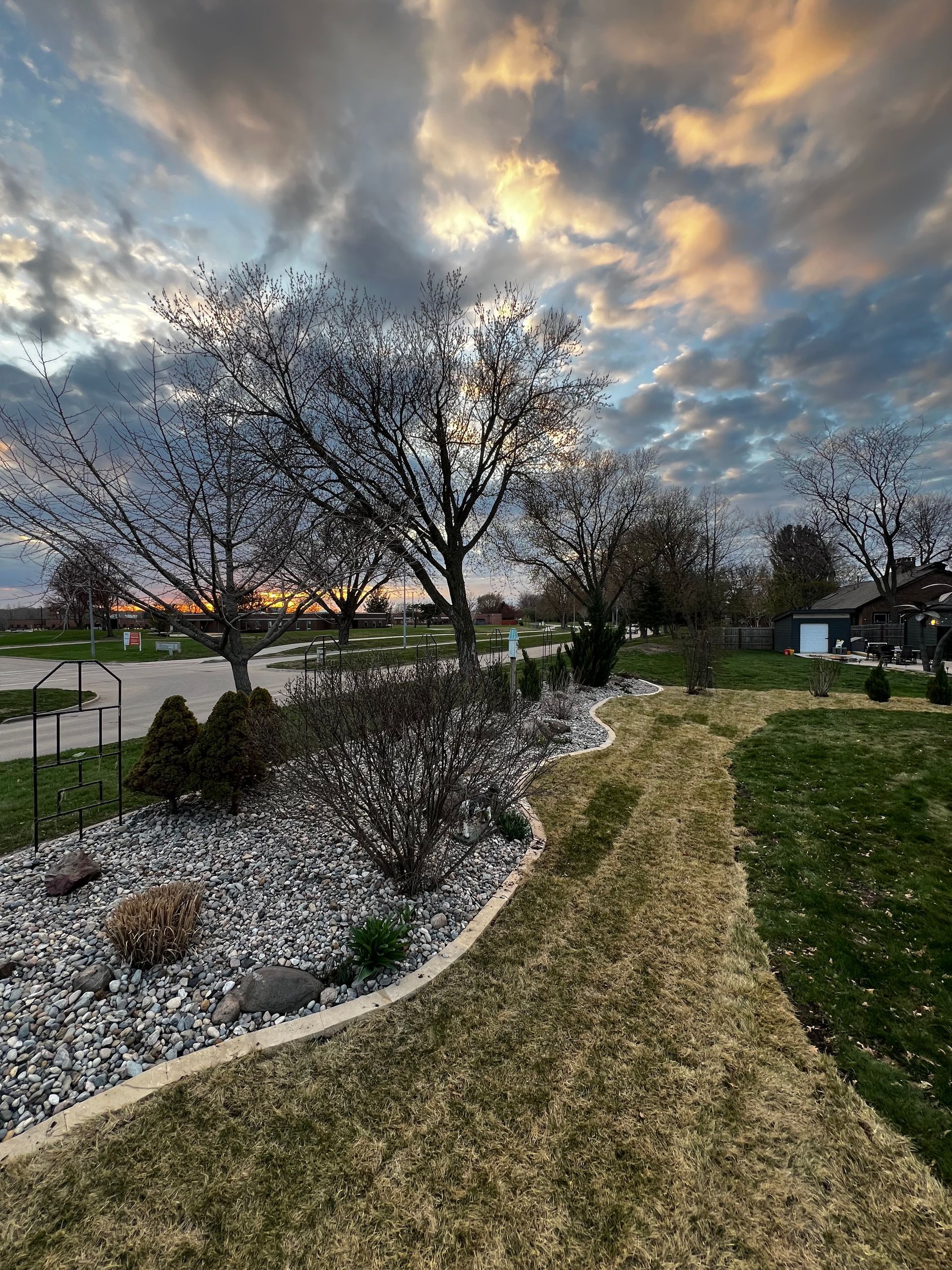
Expanding your planting beds and utilizing heavy layers of organic mulch is the ultimate secret to low-maintenance front-yard landscaping. Traditional turf grass requires constant mowing, heavy watering, and regular chemical feeding just to look somewhat decent during those hot summer months.
By significantly reducing your total lawn square footage, you eliminate a massive portion of your ongoing weekend maintenance entirely. This strategic move saves you serious money on your monthly water bill while making the property look incredibly high-end and intentionally designed.
Focus heavily on incorporating these specific, low-effort strategies into the overall structure of your outdoor design:
● Choose hardy native plants that naturally thrive in your local climate without needing extra watering or expensive chemical fertilizers.
● Install heavy-duty commercial weed barriers beneath your decorative rock to stop invasive weeds before they even start sprouting.
● Swap out high-maintenance annual flowers for tough, drought-tolerant perennials that predictably return bigger and better year after year.
● Utilize slow-growing evergreen shrubs for your core foundation plantings so the yard looks alive even in the dead of winter.
● Select plants that naturally shed their leaves discreetly, saving you from spending hours raking massive piles of yard waste.
● Install an automatic drip irrigation system on a programmable timer so you never drag a heavy hose around again.
● Use thick layers of natural hardwood mulch to retain ground moisture and insulate fragile root systems from extreme temperatures.
Structuring Your Front Yard Garden Design
Installing Hardscaping Elements First
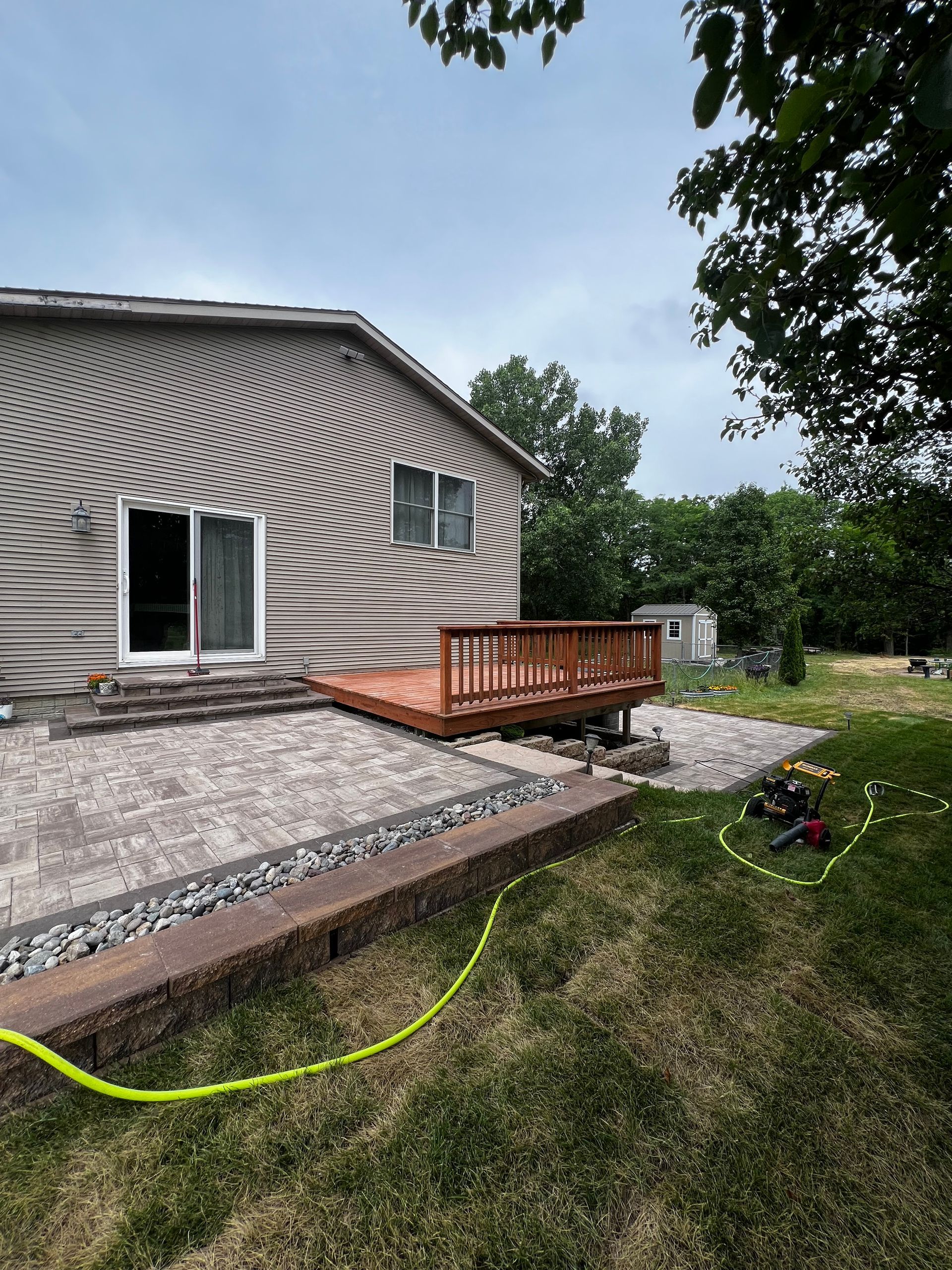
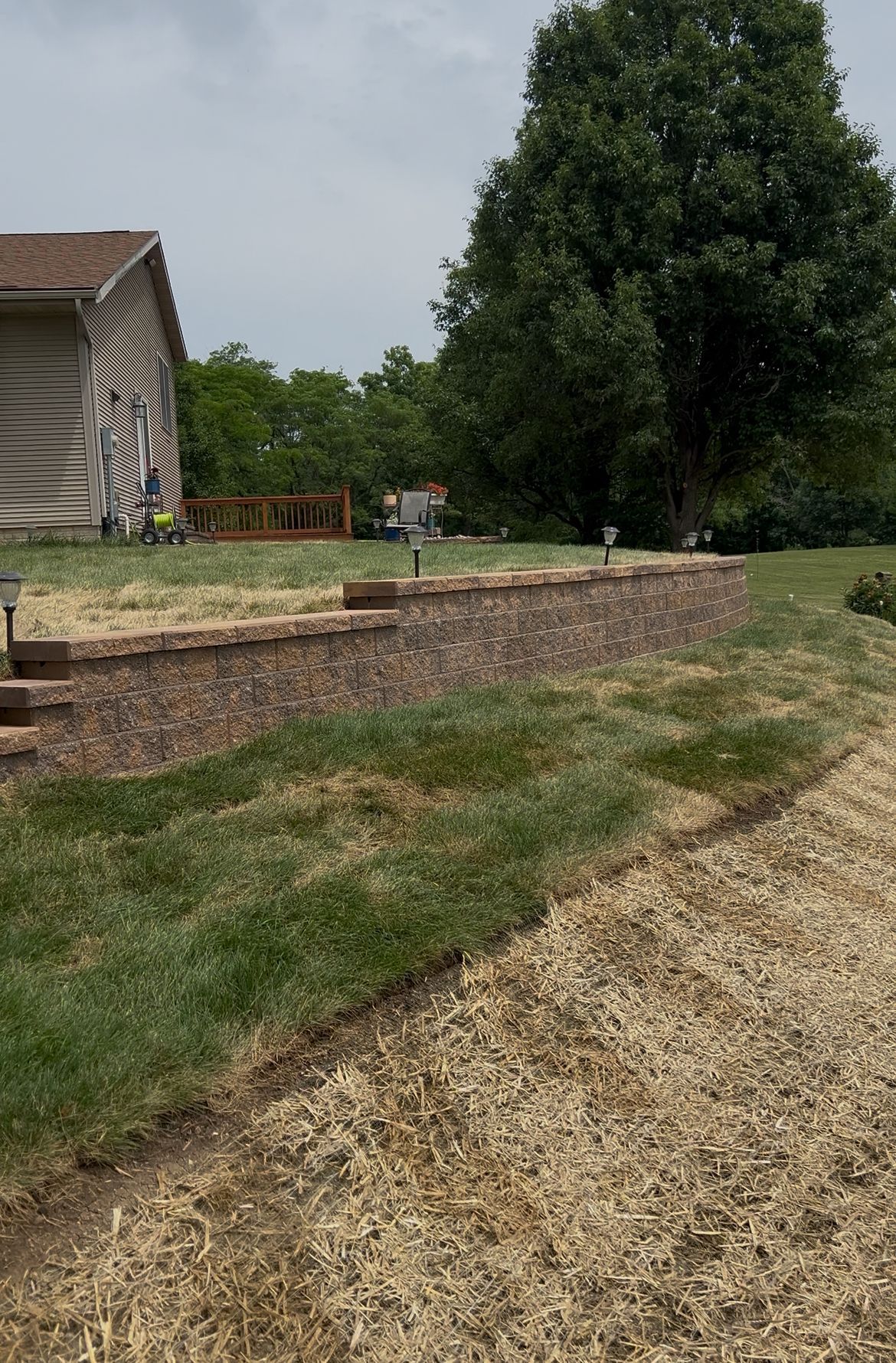
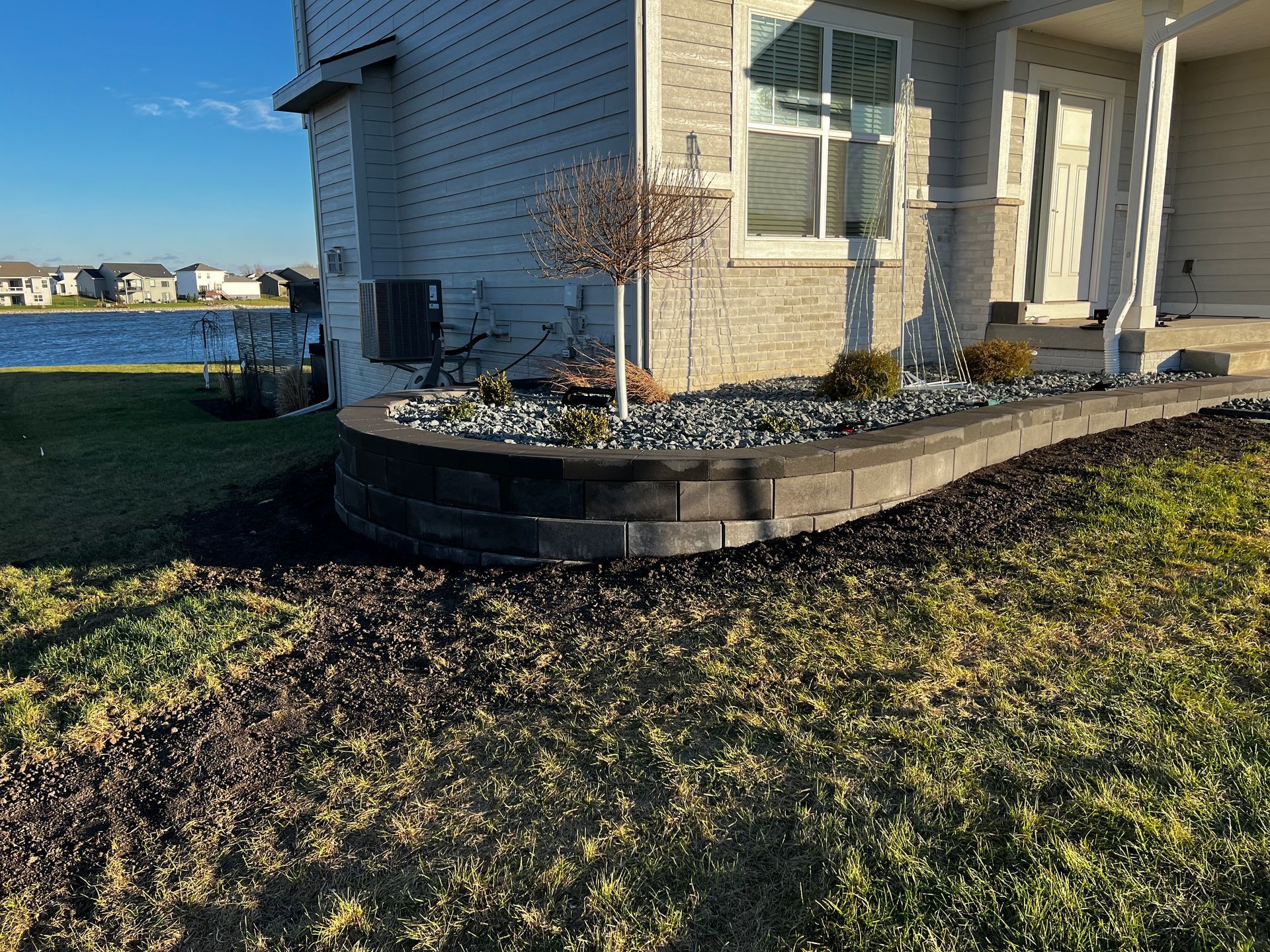
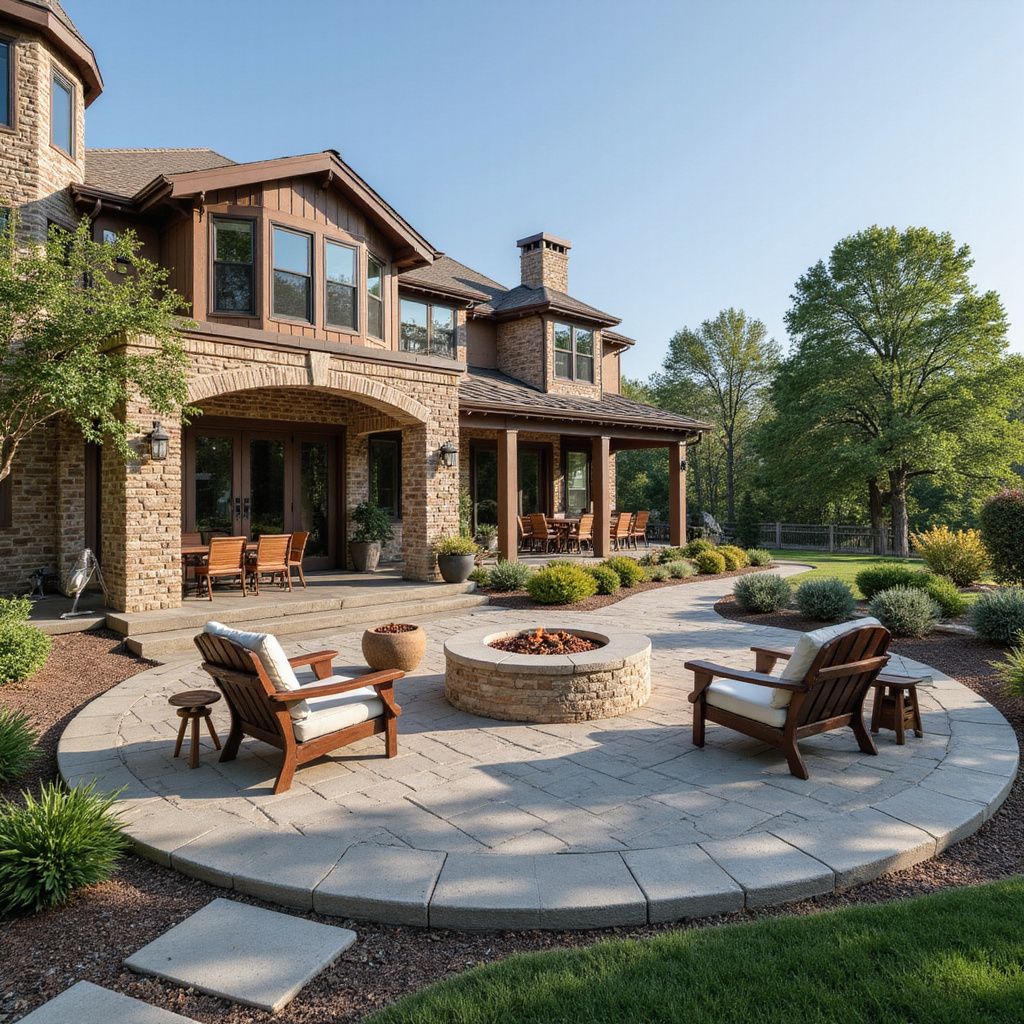
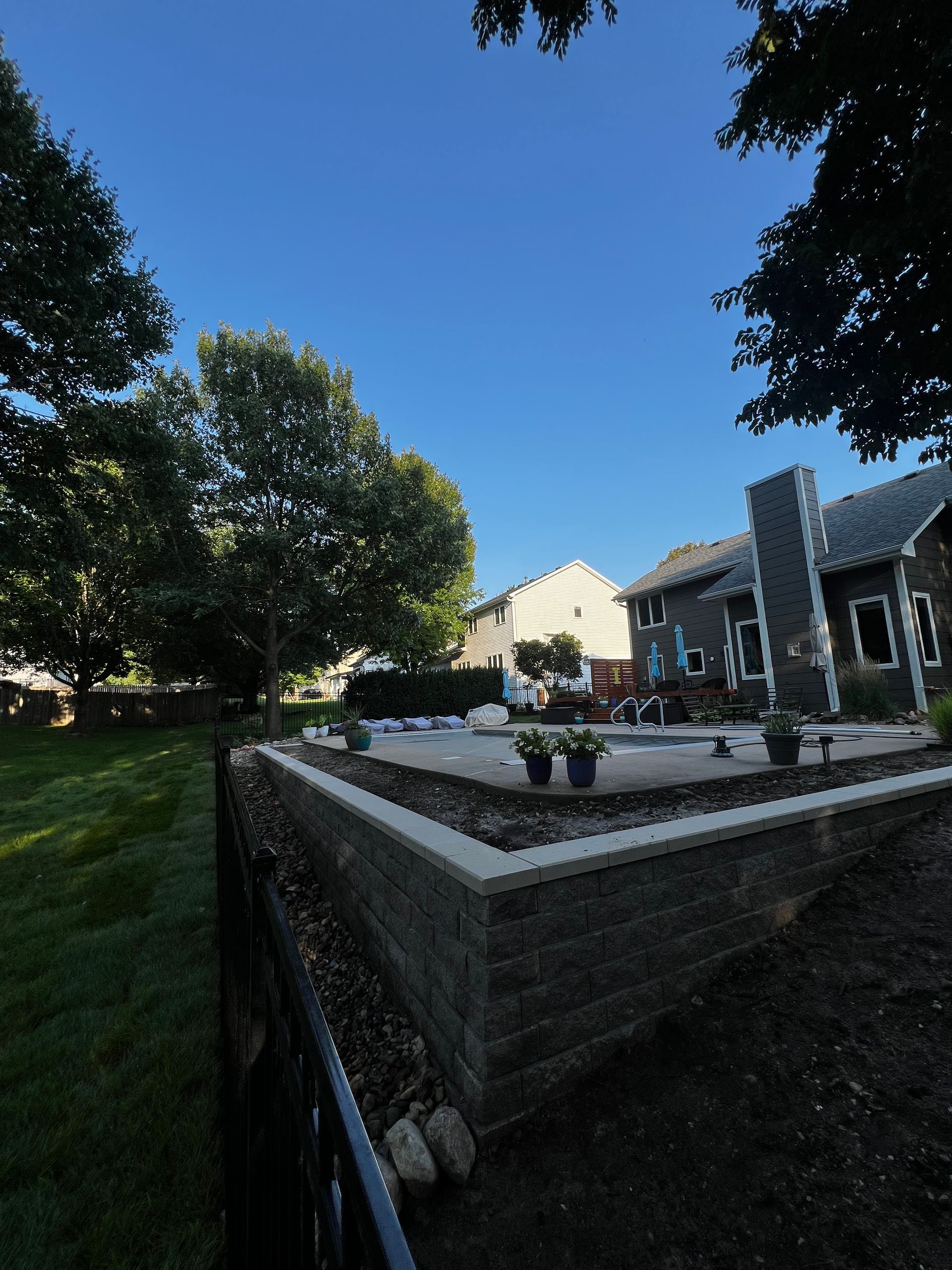
One of the most important curb appeal landscaping tips is to focus heavily on hardscaping, which acts as the permanent, unmoving structural bones of the entire outdoor yard. This crucial category includes poured concrete walkways, brick driveway borders, heavy stone retaining walls, and permanent steel garden bed edging.
You must firmly establish these heavy structural elements completely before you even think about putting a delicate plant in the ground. Hardscaping rigidly dictates the natural flow of human traffic and sets the firm, lasting physical boundaries for all your new garden beds.
Creating Proper Bed Layouts
Start by loosely sketching your property lines, house footprint, and existing concrete driveway on a simple piece of paper. This helpful aerial view allows you to accurately visualize the scale and flow of the new layout before physically digging into the dirt.
Start planning your heavy foundation plantings, which are the structural shrubs sitting directly against the concrete house siding. You want a heavy mix of reliable evergreens right here to provide consistent, vibrant color throughout the entire calendar year.
The absolute golden rule of professional planting design is always to use odd numbers when creating groupings in your fresh beds. Clusters of three, five, or seven visually identical plants look vastly more natural to the human eye than rigid, boxy pairs.
Essential Curb Appeal Landscaping Tips
Implementing Strategic Outdoor Lighting
When bringing your front yard landscaping ideas to life, you desperately need the finishing visual touches that easily elevate an average yard directly to the absolute best property on the block. Pay very close, detailed attention to your outdoor lighting setup to completely transform the emotional vibe safely after dark.
High-quality solar path lights securely combined with bright LED spotlights aimed directly up at your best trees work absolute visual wonders. Proper lighting brilliantly provides essential nighttime security while simultaneously highlighting the expensive architectural peaks and textures of your beautiful house.
Defining Crisp Garden Edges
Start by creating a crisp, cleanly defined trench edge physically separating the green lawn from the dark, freshly laid mulch beds. A sharp edge instantly tricks the human eye completely into seeing extreme order, neatness, and high-end professional yard maintenance immediately.
To ensure your exterior details truly pop from the street, consistently apply these finishing touches to your property:
● Add a pair of heavy, glazed ceramic planters heavily filled with bright seasonal color, seamlessly flanking your main wooden entrance door.
● Paint your front door with a fresh, bold coat of contrasting exterior color to truly tie the entire residential landscaping effort together.
● Upgrade to modern, highly visible metal house numbers that creatively act as the perfect shiny jewelry for your newly renovated home exterior.
● Keep your concrete driveway and front walkways meticulously power-washed to remove ugly oil stains and slippery green algae buildup.
● Hide ugly utility boxes and air conditioning units behind attractive, slatted wooden privacy screens or tall, dense evergreen shrubs.
● Ensure your porch light fixtures are clean, free of cobwebs, and fitted with warm-toned bulbs rather than harsh, sterile white lights.
Step-by-Step Execution Guide
Step 1: Call Utility Companies Before Digging
Before you aggressively tear out the old landscape, you absolutely must call your local utility company to mark underground gas and water lines. This is a totally free service in the United States and prevents you from causing a massive neighborhood emergency with your shovel. Skipping this crucial first step can lead to incredibly dangerous situations and massive repair bills that ruin your entire budget.
Step 2: Execute Safe and Efficient Demolition
This initial demolition phase is incredibly labor-intensive, so seriously pace yourself over a couple of cool, breezy weekend mornings. Physically use a sharp shovel to dig out old, overgrown shrubs entirely by their massive, deeply tangled root balls. Actively pull up all deeply established weeds completely by the roots instead of just lazily snapping off the green leafy tops.
Step 3: Establish Your Hardscaping Elements
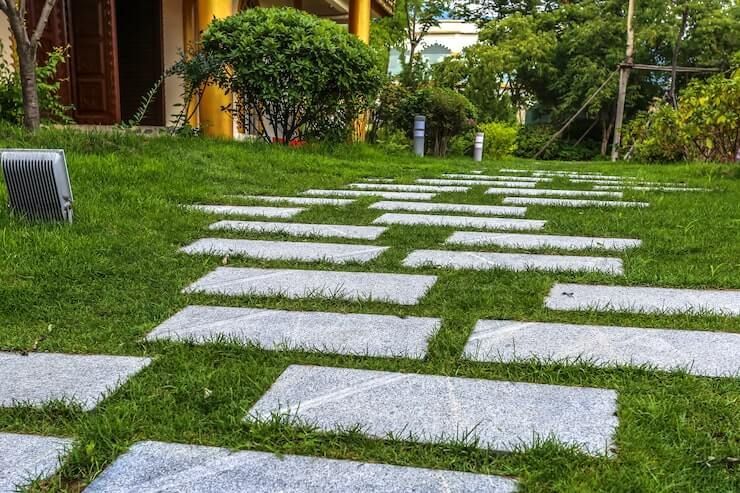
Once the yard is totally cleared of debris, immediately bring in your heavy hardscaping materials like natural stone or concrete pavers. Build your retaining walls, lay your stepping stones, and install your permanent steel or brick edging before touching any dirt. Getting the heavy construction out of the way first protects your fragile new plants from getting crushed by heavy wheelbarrows.
Step 4: Map Out Your Planting Zones
Use a simple can of environmentally safe marking spray paint to physically draw the curves of your new garden beds on the ground. This visual trick allows you to stand back at the street and make necessary adjustments to the bed size before committing. Physically position all your new plants while they are still safely in their plastic nursery pots to double-check visual spacing.
Step 5: Dig the Proper Planting Holes
Vigorously dig your individual planting holes roughly twice as wide as the root balls to allow for rapid, proper soil expansion. Thoroughly ensure the exact depth of the hole safely keeps the plant crown perfectly level with the surrounding top dirt. Planting a shrub too deeply will slowly suffocate the trunk and guarantee the plant dies within the first few years.
Step 6: Tease Roots and Plant
Very gently tease the tightly bound, wrapped plant roots apart with your bare hands to actively encourage healthy outward growth. Place your absolute tallest shrubs in the back row and gracefully layer your low-growing ground covers down in the front. Backfill the hole with heavily amended soil, pressing down firmly to remove massive air pockets without crushing the delicate root system.
Step 7: Water Deeply and Apply Mulch
Heavily water the exact base of each new plant immediately to fully eliminate hidden, highly damaging air pockets around the fragile roots. Do not ever recklessly apply strong chemical fertilizer directly into the hole during planting, as this can severely burn the shocked roots. Apply a thick layer of natural hardwood mulch to retain moisture, keeping it pulled away from the plant stems to prevent rot.
Pro Tip: Master Your Soil Amendments
If there is one completely avoidable mistake we see enthusiastic homeowners make constantly, it is totally ignoring their underlying dirt. They happily spend hundreds of hard-earned dollars on gorgeous plants and shove them right into rock-hard, nutrient-depleted backyard clay.
Good, highly crumbly soil is the absolute foundation of a thriving, resilient yard that easily withstands harsh, unpredictable local weather conditions. Take the necessary time to deeply till the hard ground and thoroughly mix in heavy amounts of fresh, organic compost.
This vital, foundational step gives young, fragile roots the physical room they desperately need to breathe and rapidly expand underground easily. Spending extra effort on proper, thorough soil preparation actively prevents you from angrily replacing expensive dead plants next calendar year.
Frequently Asked Questions
Q. What is the absolute cheapest way to update my property?
A.
Doing the manual labor yourself and cleaning up existing overgrown elements saves you the most money. Edging beds, pulling weeds, and laying fresh wood mulch dramatically improve your exterior appearance instantly without spending much cash.
Q. How do I confidently choose the right plants?
A.
Determine your Hardiness Zone and strictly observe your exact daily sunlight hours before visiting the local plant nursery. Prioritize hardy native plant species that naturally thrive in your regional climate without needing constant, annoying babysitting.
Q. When is the absolute best time of year to plant?
A.
Fall is generally the very best season to put new structural shrubs and returning perennials firmly into your garden ground. Cooler air safely reduces transplant stress, while the ground soil brilliantly remains warm enough for rapid, healthy root establishment.
Q. Do I really need to use expensive landscape fabric?
A.
For traditional wood mulch beds, thick layers of plain cardboard often work significantly better as a highly reliable, biodegradable weed barrier. It suppresses weeds initially but eventually breaks down safely, naturally adding healthy organic matter directly back into your dirt.
Conclusion
Taking total control of your home exterior does not have to be an overwhelming, back-breaking nightmare that completely ruins your relaxing summer. By deeply assessing your space honestly, setting a highly realistic budget, and choosing hardy native plants, you can easily build a beautiful yard.
Just firmly remember that proper landscaping is a slow, methodical marathon, so simply have patience and enjoy watching your new plants establish themselves beautifully over time.
If you are totally ready to transform your property actively but lack the free weekends to tackle heavy, muddy root balls, we can definitely help. The experienced crew at Larkin Landscape and Design specializes heavily in creating stunning outdoor spaces tailored to your exact lifestyle perfectly. Let our professional team handle all the heavy lifting and schedule a consultation today by visiting us at https://www.larklandscape.com/ to get your project started.