

If you live in Iowa, you know that the change of seasons isn't just a calendar event; it’s a physical force. We go from humid, 90-degree summers to bone-chilling winters where the ground freezes solid, only to thaw out and do it all over again a few weeks later. For homeowners, this cycle is the ultimate test for anything built outside, especially the patio. When you’re planning an outdoor living space, you’re usually thinking about summer BBQs, fire pits, and watching the kids play. But as a professional who has spent two decades watching how materials age in the American Midwest, we can tell you that you should really be thinking about January. Specifically, you should be thinking about the "freeze-thaw cycle." The big debate usually boils down to two choices: pavers or stamped concrete. Both look great on day one, but after five or ten Iowa winters, they tell very different stories. Let’s get into the paver patio vs stamped concrete debate to see which one actually survives the long haul. The Invisible Enemy: The Freeze-Thaw Cycle Before we look at the materials, we have to understand what we’re up against. When the temperature drops below 32°F, the moisture in the soil freezes and expands. This causes the ground to "heave" upward. When it warms up, the ice melts, the volume decreases, and the ground settles. In a state like Iowa, this doesn't just happen once a year. It happens dozens of times between November and March. If your patio is one solid, rigid piece of material, it has nowhere to go when the ground moves. It either has to be strong enough to resist thousands of pounds of pressure, or it’s going to break. This is where we see the most freeze-thaw patio damage occurring. Stamped Concrete: The Rigid Contender Stamped concrete is a popular choice for many reasons. It’s essentially a large slab of concrete that is poured, leveled, and then stamped with a pattern to look like stone, brick, or wood. It is then stained or colored to give it a high-end look. In the short term, it’s beautiful. It’s also usually faster to install than individual pavers, which often leads to a lower initial price tag. However, the very thing that makes concrete easy to pour, the fact that it’s one continuous sheet, is its greatest weakness in cold climates. Even with "control joints" (those lines cut into the concrete to encourage it to crack in straight lines), concrete is prone to wandering cracks. When the ground underneath shifts during an Iowa freeze, the slab is under immense tension. Eventually, that tension finds a weak spot. One of the most frustrating things for homeowners is seeing stamped concrete cracking in winter. Unlike a small crack in a sidewalk, a crack in a stamped patio ruins the aesthetic. Because the surface is colored and textured, patching it is nearly impossible to do invisibly. You end up with a "scar" that never quite matches the rest of the patio. Furthermore, once water gets into those cracks, the next freeze-thaw cycle expands the gap, making the damage worse every single year. Paver Patios: The Flexible Solution Now, let's look at the alternative. A paver patio is made of individual units (usually concrete, clay, or natural stone) set on a prepared base of compacted gravel and sand. The "secret sauce" of pavers is that they are an interlocking system. They aren't glued together or held in place by a rigid bond. Instead, they are held by friction and polymeric sand in the joints. This creates a "flexible pavement." When the ground in Iowa heaves in January, the pavers move independently. They can shift up a fraction of an inch and then settle back down when the thaw comes. Because there are thousands of tiny joints across the patio, the pressure is distributed rather than being concentrated on one solid slab. This flexibility is why many experts consider pavers the best patio material for cold climates. If a paver ever does crack, which is rare because they are manufactured to be much stronger than poured concrete, you pop that one unit out and slide a new one in. You don’t have to tear up the whole patio or live with an ugly patch job. Why the Base Matters More Than the Surface Whether you choose concrete or pavers, your patio is only as good as what’s underneath it. In the Midwest, we have to dig deep. If a contractor tells you they can pour concrete on top of your existing dirt, run the other way. A proper installation requires a deep "frost-protected" base. This involves digging the soil and replacing it with layers of crushed stone that are compacted to be rock-solid but still allow for drainage. Water is the enemy. If water can drain through the base and away from the patio, there is less moisture to freeze and expand. Pavers naturally allow for better drainage because the joints between them act as tiny channels. When we talk about patio options for Iowa weather, drainage is usually the deciding factor between a patio that lasts 30 years and one that looks "tired" after five. Aesthetics and the "Iowa Look" We also have to consider how these materials handle the secondary effects of winter: salt and shoveling. Iowa winters mean snow removal. Stamped concrete is slippery when wet or icy, and if you use a metal shovel, you risk scratching the sealer or the color right off the surface. Even worse, de-icing salts are incredibly hard on poured concrete. They can cause the surface to "spall" or flake off, leaving ugly grey pits in your beautiful stamped design. Pavers, especially high-quality concrete pavers from brands like Unilock or Belgard, are designed to be salt-resistant. They are also manufactured under intense pressure, making them much denser and less porous than poured concrete. This means they don't soak up water and salt as easily, which preserves their look for decades. The Real Cost: Initial vs. Lifetime We won't lie to you: a paver patio normally costs more up front than stamped concrete. Setting each stone by hand and making sure the base is precisely level takes more work. But as someone who has been in this industry for 20 years, we always ask our clients to look at the "Lifetime Cost." 1. Concrete: Lower initial cost + expensive repairs + eventual replacement when the cracks become too much. 2. Pavers: Higher initial cost + virtually zero repair costs + 30 to 50-year lifespan. When you factor in the value it adds to your home, pavers almost always win. Real estate experts often note that a well-maintained paver patio retains its value far better than a cracked concrete slab. In a market like ours, savvy buyers know the difference. Making the Right Choice for Your Home So, what holds up best? If you want a "one and done" solution that can handle the brutal swings of the weather, pavers are the clear winner. They are designed to work with nature rather than fighting against it. However, we know every homeowner's budget and goals are different. If you are looking for a short-term aesthetic upgrade and are okay with the maintenance requirements of concrete (like resealing every 2 to 3 years), stamped concrete can be a viable option. But you have to go into it with your eyes open to the risks of the Iowa climate. At Larkin Landscape and Design, we’ve seen every type of failure and success imaginable. We’ve spent years refining our installation process to ensure that when we build a patio, it stays level and beautiful through the hottest July and the deepest February. Your outdoor space should be a place of relaxation, not a source of stress every time the temperature drops. By choosing materials that are engineered for our specific environment, you’re not just building a patio; you’re making a long-term investment in your home’s livability. If you’re ready to start planning your backyard transformation, let’s talk about how we can build something that stands the test of time. Whether it’s a small space for morning coffee or a massive outdoor kitchen for the whole neighborhood, we’ll make sure it’s built to handle whatever the Iowa sky throws at it.

Revive your winter lawn with our complete Iowa spring lawn care checklist. Discover month by month tips for a lush green yard. Read the full guide now.
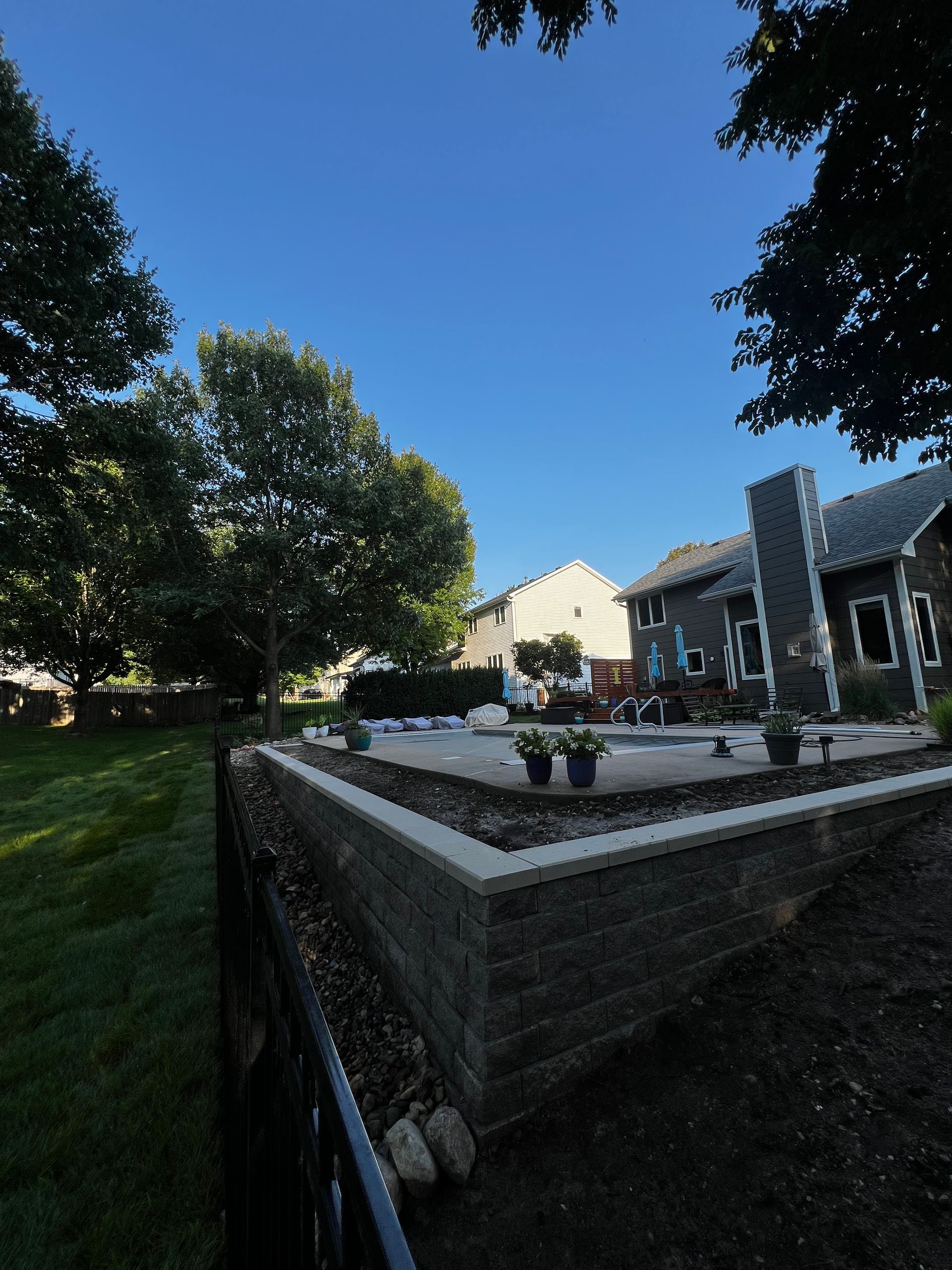
Planning a new backyard? Discover the real cost of Paver Patio Installation Iowa homeowners should expect. Get expert design tips and book your free quote now.

Prevent costly damage with our proven hardscape erosion control guide. Discover how to use retaining walls and drainage to save your yard. Read more here.

Learn how professional landscape lighting design boosts curb appeal and keeps your family safe at night. Click to start planning your dream outdoor space.

Discover the truth about rock vs mulch in Iowa landscapes. We break down costs & weed control to help you choose right. Click here to decide today.
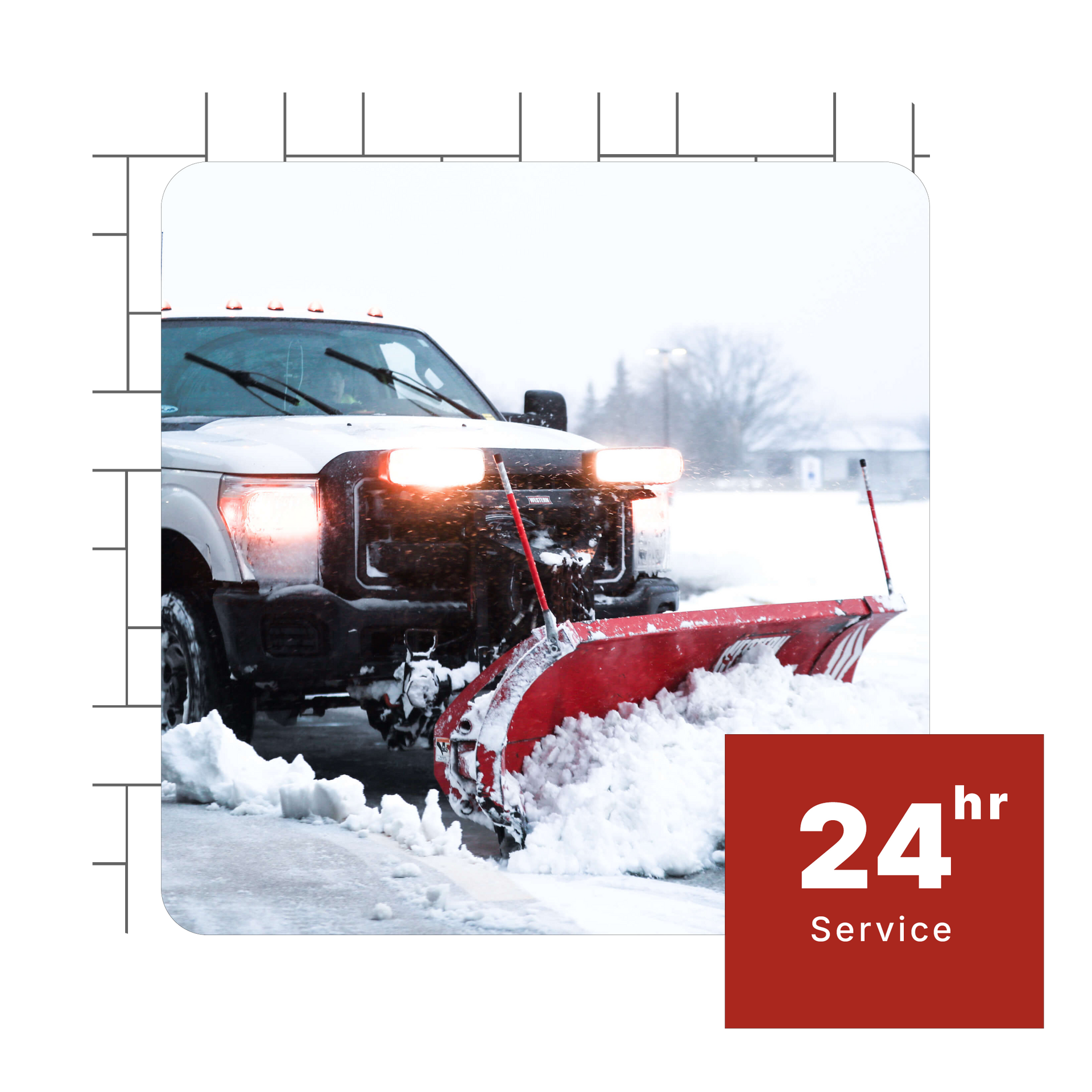
The 4 a.m. Alarm: An Iowa Winter Reality If you’ve lived in Iowa for more than a single winter, you know the sound. It’s not your alarm clock, it’s the muffled ‘scrape-scrape-scrape’ of a shovel hitting concrete before the sun even comes up. Iowa winters are beautiful, sure. The blanket of white over the cornfields is postcard-perfect, until you have to drive through it to get to work or open your shop for customers. That’s when the reality sets in: snow isn’t just weather here, it’s a logistical hurdle. At Larkin Landscape , we’ve spent years battling Iowa’s unpredictable elements, from those heavy, wet snowfalls in December to the biting ice storms of February. One question we often hear from our neighbors in Des Moines , Ankeny, and Iowa City is, "Is there really a difference between hiring someone for my driveway and hiring a crew for my business?" The short answer? Yes. The long answer? It comes down to two things: urgency and liability. Let’s grab a warm cup of coffee and dive into what separates residential snow plowing services from commercial ice management, and why knowing the difference matters for your peace of mind. Residential Snow Removal: Reclaiming Your Morning For homeowners, snow removal is personal. It’s about getting the kids to school safely and not throwing out your back before your first meeting. When you hire a pro for residential snow removal in Iowa, you’re essentially buying time. You’re paying for the luxury of hitting the snooze button while someone else handles the heavy lifting. 1. The Scope is Smaller (But Details Matter) Residential jobs are typically about precision in tight spaces. We aren't clearing acres of asphalt, we’re navigating around your kid’s basketball hoop, your meticulously planted boxwoods, and that one car parked a little too close to the edge of the driveway. Equipment here is different, too. While we might bring a plow truck for a long driveway, we often rely on snow blowers and shovels for the detail work. Why? Because a massive commercial plow can do a number on a residential lawn if you aren't careful. We treat your property like our own, ensuring the snow is moved away from the house (to prevent wet basements when it melts) without burying your mailbox. 2. The Schedule is Life-Dependent Residential triggers are usually simpler. Most homeowners want service after the snow stops falling or reaches a certain depth (usually 2 inches). The goal is clear access. You need to get out of the garage, and the mail carrier needs to get to the door. It’s about restoring the flow of your daily life. Commercial Snow Removal: The Zero Tolerance Game If residential snow removal is about convenience, commercial snow removal is about risk management. For business owners in Iowa, snow isn't just an inconvenience, it’s a liability lawsuit waiting to happen. If a customer slips on a patch of black ice outside your storefront, the consequences are far heavier than just a wet pair of pants. This is where the term ice management takes center stage. 1. It’s Not Just About Moving Snow; It’s About Melting Risk Commercial contracts are intense. We operate with what we call a "zero tolerance" policy for ice. In a residential setting, a little hard packed snow on the driveway might be acceptable for a few hours. In a commercial lot? Absolutely not. This means we aren't just plowing, we are pre-treating surfaces with brine or salting immediately after clearing. Sidewalk clearing becomes a high stakes game. We have to ensure that handicap ramps, loading docks, and emergency exits are down to the pavement. 2. The 24/7 Monitoring Cycle Unlike residential routes that might run once the storm passes, commercial snow removal in Iowa is a round the clock operation. Imagine a hospital entrance or a 24-hour gym. We can’t wait for the snow to stop. We are often out there during the storm, making multiple passes to keep lanes open. We monitor weather radar specifically for ground temperature drops to predict when wet pavement will turn into a skating rink. 3. Heavy-Duty Artillery Remember those snow blowers we mentioned for homes? They rarely cut it here. Commercial jobs require skid steers, frontend loaders, and massive V-plows to stack snow into designated snow piles that won't block visibility for drivers. We have to plan where the snow goes before the first flake even falls, ensuring it doesn't melt and refreeze across the parking lot later. The Science of Salt: It’s Not Just Sprinkling Magic Dust You might think throwing salt down is the universal fix, but in Iowa, it’s actually a science. One thing many people don’t realize is that standard rock salt loses its effectiveness when temperatures dip below 15°F. In January, when we hit those sub-zero wind chills, throwing cheap salt on your sidewalk is like throwing gravel, it won’t melt a thing. This is where the difference in service really shines. For our residential clients, we’re hyper-aware of your landscape and your furry friends. We often use blended products that are gentler on concrete and safe for Fido’s paws. Over-salting a driveway can burn your grass come spring, leaving you with brown edges that are a pain to fix. On the commercial side, however, we often have to use more aggressive treated salts or liquid brine. We can’t risk a ‘slip and fall’ lawsuit, so we use products designed to cut through ice even in extreme cold. It’s a balancing act between safety, budget, and environmental care that requires a professional touch to get right. The Iowa Factor: Why Local Expertise Wins Whether it’s residential or commercial, the Iowa Factor changes the game. Our weather doesn't follow a script. We get those wintry mixes, rain turning to sleet turning to snow, that create a concrete like layer of ice underneath the fluff. National chains that manage snow removal from a call center in a different time zone often miss these nuances. They don't know that the wind whips across the open plains of Central Iowa, causing massive drifts on north facing driveways even after the snow has stopped. At Larkin Landscape, we are local. We know that in Ankeny, the wind chill can freeze a wet sidewalk in minutes. We know the local ordinances in Des Moines regarding how quickly public sidewalks need to be cleared (usually 24 hours). A Human Approach to a Cold Job: We believe that whether you are a frantic mom needing to get the minivan out or a property manager worrying about tenant safety, you deserve a human response. You aren't just a route number to us. ● For our Residential Clients: We promise to respect your property boundaries and your sleep schedule as best we can. ● For our Commercial Clients: We promise documentation. We keep logs of when we plowed and when we salted, protecting you if a liability claim ever arises. Which Service Do You Need? If you are reading this and wondering, "Do I need a commercial contract for my large rural driveway?" or "Can I just hire a neighborhood kid for my small business lot?", here is a quick rule of thumb: ● Traffic Volume: If you have strangers (customers/employees) walking on your property daily, you need commercial grade ice management and insurance protection. ● Tolerance for Delays: Can you wait until the storm ends to leave your house? Residential service is a perfect fit. Do you need the lot clear by 7:00 a.m. sharp regardless of when the storm hit? That’s a commercial necessity. Ready for Winter? Winter in Iowa is inevitable, but the stress that comes with it doesn't have to be. Whether you need your front walk cleared or a shopping center maintained, Larkin Landscape has the local know-how to keep you moving. Don't wait for the first blizzard warning to start Googling "snow plowing services." By then, our schedules and our mugs of hot cocoa are already full. Contact Larkin Landscape Today to discuss your winter plan. Let’s keep Iowa safe, one cleared sidewalk at a time.

Want a stunning yard this year? Learn how to prepare landscape for spring with our proven checklist for hardscapes and plants. Start planning your oasis now.
Tired of a muddy lawn? Explore seven drainage fixes that truly work and find out the average French drain cost Iowa homeowners pay. Read the full guide today.
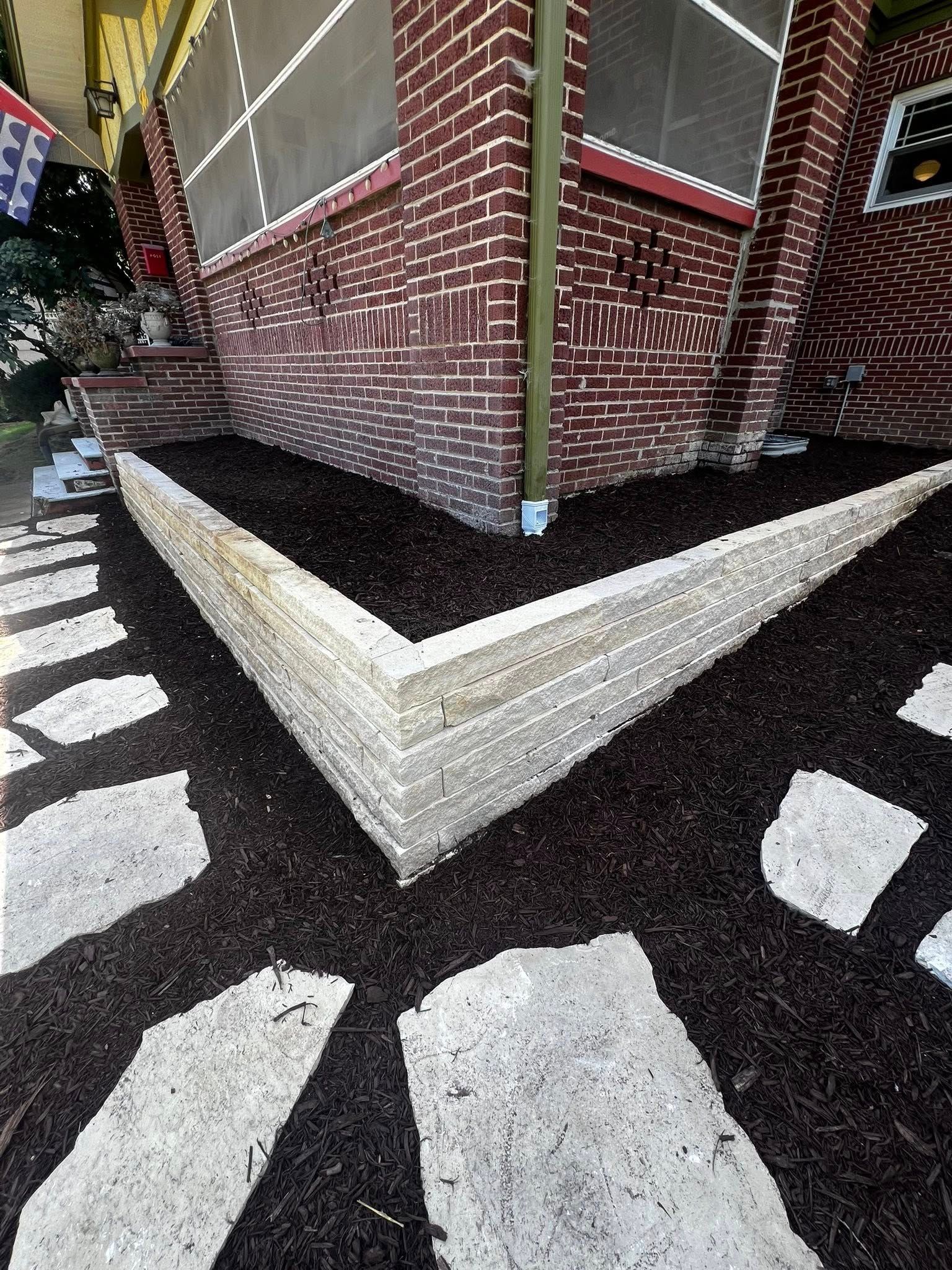
Protect your buildings with expert storm damage restoration Philadelphia after severe weather. Learn an essential action plan for managers today. Get help fast.