

Do you ever look out at your backyard and feel like something is just missing? For a lot of us here in the States, our yards end up being mostly grass that we spend all weekend mowing, rather than a place where we actually want to hang out. If you really want to change the way you use your property, you have to look at the "structure" of the landscape. Hardscaping is what gives a yard its structure and its soul. It is the difference between a messy patch of dirt and a sophisticated area where you can host a dinner party or watch the sunset with a cold drink. Over our two decades of writing for the home improvement industry, we have seen how the right stone and wood elements can make a house feel twice as big. Whether you are dealing with a tiny city lot or a sprawling suburban spread, the goal is always the same: creating a space that feels like home. Let’s walk through ten of the best backyard hardscape ideas that will turn your outdoor area into the favorite "place" in your house. 1. Multi-Level Patios for a Custom Feel If your yard is totally flat, it can feel a bit like a parking lot if you pour one big slab of concrete. By breaking your patio into different levels, you create natural boundaries for different activities. You might have a high deck for your grill and a lower stone area for your lounge chairs. This layout also works wonders for properties that have a hill or a slope. Instead of fighting the land, you work with it to create a series of beautiful "steps" that lead you through the yard. It makes the whole space feel more expensive and much more intentionally designed. Use natural stone retaining walls to support the different elevations of your patio. Mix up the colors of your pavers to highlight where one level ends and another begins. Add some built-in planters along the edges of the steps to bring in some greenery. Ensure you have wide, sturdy stairs so that moving between levels feels easy and safe. 2. A Fully Functional Outdoor Kitchen Most of us love a good barbecue, but running back and forth to the kitchen inside for every fork or plate is a massive pain. A built-in outdoor kitchen changes the game by putting everything you need right where the action is. It keeps the chef in the middle of the party instead of stuck indoors. You can go as simple or as fancy as you want here. Some people want a stone enclosure for their grill and a bit of counter space, while others go all out with sinks, fridges, and even wood-fired pizza ovens. It is all about how you like to entertain and what makes your life easier. Using high-quality materials like stacked stone and granite ensures that your kitchen can handle the American weather year-round. It is an investment that pays for itself every time you host a summer bash. Plus, it is a huge selling point if you ever decide to put your home on the market in the future. 3. The Timeless Charm of a Stone Fire Pit There is something about a crackling fire that makes people want to sit down and talk for hours. A permanent, hardscaped fire pit is a huge upgrade over those flimsy metal ones that rust out after one season. It becomes a focal point that anchors the entire corner of your yard. You can choose a classic wood-burning pit for that authentic campfire smell, or go with gas for instant heat with zero cleanup. Either way, it extends your outdoor season by months. Even when the air gets chilly in the fall, you can still be outside enjoying the fresh air and the company of your friends. Build a wide stone ledge around the pit so people have a place to set their drinks. You can make a "fire zone" by putting heat-resistant pavers in a circle. Put some big wooden Adirondack chairs next to the pit for a classic American look. If you want a more private and warm space, think about a sunken fire pit design. 4. Retaining Walls That Do Double Duty If you live on a hilly property and need to keep soil from washing away, you may need to build retaining walls. However, they don't have to be ugly or strictly industrial. By building them at the right height, you can turn them into "seat walls" that provide extra spots for people to sit. This is a lifesaver when you have a big group over for a party. Instead of pulling out a bunch of mismatched folding chairs, people can hop up on the stone wall. It keeps the patio looking clean and organized while maximizing the number of people you can host at once. To make them more comfortable, you can use smooth capstones on top and throw on a few outdoor cushions. It is a smart way to solve a structural problem while adding massive value to your outdoor living space design. It gives your yard a structured, high-end look that lasts for decades. 5. Walkways That Lead the Way A yard without paths often feels like it's missing a sense of direction. People end up walking through the grass, which leads to mud being tracked into the house. A well-designed flagstone or paver walkway creates a flow that guides your guests from the back door to the garden or the patio. We always suggest adding some curves to your walkways. A straight line is efficient, but a curved path feels more organic and relaxing. It makes a small yard feel like it has more to explore. You can fill the spaces between stones with pea gravel or even low-growing groundcover like creeping thyme. Use large, flat flagstones for a rustic look that feels like it has been there forever. Opt for uniform pavers if you want a more modern and clean-lined aesthetic. Line the path with low-voltage LED lights so you can navigate safely after dark. Ensure the stones are set deep into a base of sand so they won't shift or wobble over time. 6. Shady Retreats with Pergolas and Pillars In many parts of the country, the afternoon sun can be absolutely brutal. A pergola is a fantastic way to get some relief while still feeling like you are outdoors. To make a pergola look truly high-end, don't just put the wooden posts in the ground; anchor them into stone pillars. This mix of wood and stone creates a beautiful architectural look that bridges the gap between your house and your garden. You can grow climbing roses or wisteria over the top to create a living roof that smells incredible in the spring. It is the perfect spot for a quiet Sunday morning with a book. If you want even more protection from the elements, you can look into a pavilion with a solid roof. This allows you to stay outside even if there is a light rain shower passing through. It adds a layer of luxury to your yard that makes every day feel like you are staying at a fancy vacation resort. 7. Creative Patterns with Custom Pavers One of the best things about modern hardscaping is the sheer variety of materials we have access to now. You aren't stuck with just one or two options. With custom paver patio ideas, you can play with different colors, shapes, and textures to create a look that is completely unique to your home. You can go for a herringbone pattern for a classic vibe, or a random layout for something that looks more like natural stone. Borders in a contrasting color can act like a frame, making the whole patio pop. It is your chance to show off your personal style and make your home stand out. Because pavers are individual units, they are also much better at handling the freeze and thaw cycle we get in many American states. If the ground shifts slightly, the pavers shift with it rather than cracking as a solid piece of concrete would. It is the smarter choice for a long-lasting and beautiful floor. 8. The Soothing Sound of Water Features If you live in a busy neighborhood, you know how annoying the sound of traffic or loud neighbors can be. A water feature is the best way to reclaim your peace. The sound of a stone waterfall or a bubbling fountain creates a "sound curtain" that masks the noise of the outside world. You don't need a huge pond to get the benefits. A pondless waterfall is a great option because the water recirculates through a hidden tank underground. It is low maintenance, safe for kids and pets, and looks completely natural. It brings a sense of calm to your yard that is hard to get any other way. Install a small bubbling urn fountain in a corner of the patio for a subtle effect. Build a stone water wall for a sleek, modern look that takes up very little space. Use underwater lights to make the water shimmer and glow once the sun goes down. Surround your water feature with river rocks and ferns to complete the natural look. 9. Lighting Built Right into the Stone We often see people spend a fortune on their landscaping and then leave it totally dark at night. That is a huge missed opportunity. By building lights directly into your stone walls, steps, and paths, you make your yard usable 24 hours a day. It adds a magical glow that makes everything look better. Low-voltage LED lighting is the way to go here. It is cheap to run and very easy to install during the construction of your hardscape. It isn't just about looks, either; it is a major safety feature. You want your guests to be able to see the steps and the edges of the patio clearly so nobody takes a spill. You can even get smart lighting systems that you control from an app on your phone. You can dim the lights for a romantic dinner or turn them all the way up if you are looking for a lost set of keys. It is the final touch that makes a professional landscape feel complete and truly high-end. 10. A High-End Driveway That Pops We usually think of hardscaping as something for the backyard, but don't ignore the front of your house. Your driveway is a key element of how your home looks from the street. If you replace your broken asphalt driveway with beautiful stone pavers, people will see your property in a completely different way from the street. Paver driveways are quite strong and can easily hold the weight of big trucks and SUVs. If you ever get an oil stain or a crack, you can replace the few affected stones instead of having to repave the whole thing. It is a premium upgrade that makes your house the most attractive one on the entire block. Matching the style of your driveway to your back patio creates a sense of harmony. It shows that the whole property was designed as one cohesive unit. It is a big project, but the impact it has on your home's value and your daily pride of ownership is absolutely worth the effort. Conclusion At the end of the day, your yard should be a place where you actually want to be. Whether you are dreaming of a massive outdoor kitchen or just a quiet stone path through your garden, hardscaping is the key to making it happen. It provides the structure that allows your lifestyle to move outdoors. Don't worry if you're feeling overwhelmed by all the choices. You don't have to do everything at once. Start with the feature that will make the biggest difference in how you live. The team at Larkin Landscape and Design is always ready to help you figure out the best plan for your specific needs and budget. We love helping homeowners take back their yards and turn them into something spectacular. To see some of our recent transformations or to chat about your own ideas, visit us at https://www.larklandscape.com/ whenever you are ready. Let's build a space that you and your family will love for years to come!
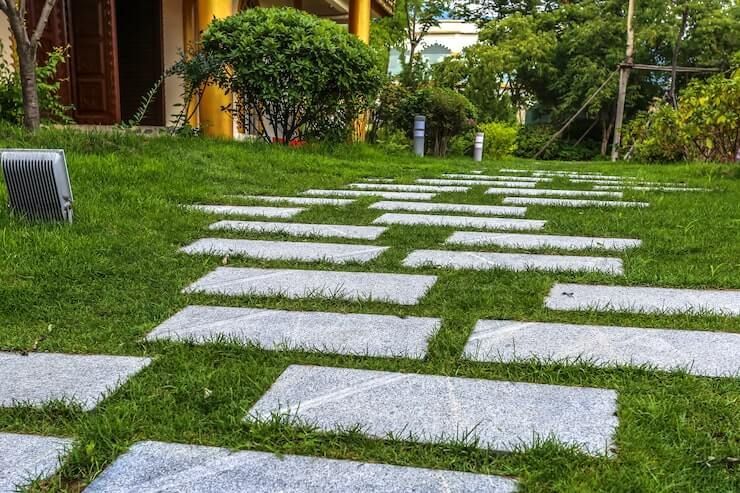
Let’s be honest, sometimes looking at a small backyard can feel a bit discouraging. You might dream of sprawling patios, outdoor kitchens, or massive garden beds, only to look outside and see a patch of grass that seems barely big enough for a lawn chair. But here is the thing we have learned over our years at Larkin Landscape and Design : a small yard is not a limitation; it is just a different kind of canvas. In fact, some of the most stunning, cozy, and functional outdoor spaces we have designed right here in the USA have been on properties with limited square footage. When you don’t have acres to hide behind, every detail counts. Every paver, every shrub, and every light fixture has to pull its weight. That is where the magic happens. If you are staring at your compact yard and wondering how on earth to fit in a grill, a dining area, and maybe even a fire pit without it feeling cluttered, you are in the right place. We are going to walk you through how to blend hardscape and landscape to make your small space feel twice as big. The Foundation: Rethinking Hardscapes for Small Spaces When people think of “hardscaping,” they often picture massive retaining walls or expansive driveways. But in a small yard, hardscaping is your best friend because it defines functionality. In a large yard, you can have a floating patio somewhere in the distance. In a small yard, the landscape often is the yard. The biggest mistake we see homeowners make is trying to shrink everything down. They think, “small yard, small patio.” The problem is, a tiny postage-stamp patio actually makes the yard look smaller (and feels cramped when you try to sit on it). Paradoxically, extending your hardscaping almost to the edges of the property line can actually make the space feel grander. It draws the eye to the perimeter, maximizing the usable footprint. Choosing the Right Materials For a small yard hardscape, material selection is critical. Large, oversized pavers can actually make a space feel less busy and more open compared to tiny, intricate bricks, which create a lot of visual “noise.” We often recommend smooth, light-colored stones or pavers. Lighter colors reflect light, which naturally opens up a cramped area, whereas dark materials can absorb light and make things feel closed in. Another trick is the angle of installation. Laying pavers on a diagonal (a 45-degree angle to the house) creates an optical illusion that pushes the boundaries of the space outward. It’s a simple geometry hack, but it works wonders for making a narrow row home yard or a tight suburban lot feel wider. Softening the Edges: Strategic Landscaping While hardscaping provides the “floor” of your outdoor room, landscaping provides the walls and the ceiling. In a small yard, you don't have the luxury of planting massive oaks or sprawling weeping willows. You need plants that work hard without taking over. We love using layering to create depth. Instead of just a flat fence, imagine a layer of tall, slender ornamental grasses or columnar evergreens along the perimeter. In front of that, some mid-sized flowering shrubs, and finally, low-growing ground cover near the patio edge. This “bleacher seating” arrangement of plants draws the eye up and back, creating a sense of volume that a flat lawn can't match. Vertical Gardening If you can’t go out, go up. Vertical gardening is a buzzword for a reason. In tight spaces, your fences and exterior walls are prime real estate. Installing trellis systems for climbing vines like clematis or jasmine adds lush greenery without eating up valuable square footage. Hanging planters and wall-mounted garden pockets are also fantastic. They allow you to introduce color and texture at eye level, breaking up the monotony of a privacy fence. This technique blurs the boundaries of your property. When you can’t quite see exactly where the yard ends and the fence begins because of lush foliage, the space feels infinite. The Art of Zoning: Small Backyard Design with Purpose One of the most effective ways to maximize a small yard is to create distinct zones. It sounds counterintuitive, chopping up a small space, but it actually creates a journey. If you can see the entire yard and every corner of it from the back door, your brain registers it as “small.” If there is a slight separation, a hidden corner, or an elevation change, your brain perceives it as a larger, multi-faceted environment. The “Outdoor Room” Concept Treat your backyard like an extension of your indoor living space. You might have a “cooking zone” with your grill and a small prep table, distinct from a “lounging zone” with comfortable seating. You can separate these areas using: Change in materials: The dining area may be on pavers, while the lounge area is on a patch of high-quality artificial turf or pea gravel. Area rugs: Yes, outdoor rugs work just as well outside to define a space as they do inside. Planters: A row of tall, rectangular planters can act as a "room divider" that is much softer and friendlier than a wall. We worked on a project recently where we used a low seat wall to separate a fire pit area from the rest of the patio. Not only did it define the zone, but the wall itself provided extra seating, eliminating the need for bulky chairs that would have cluttered the design. Multi-Functional Features In a small yard, everything needs to double up. We are huge fans of built-in bench seating. A standalone bench takes up space and leaves “dead zones” behind and underneath it. A built-in bench integrated into a retaining wall or a deck railing maximizes every inch. Plus, you can build storage into the seat itself, perfect for stowing away cushions or gardening tools when they aren't in use. Fire features are another area where dual-purpose design shines. A massive stone fireplace might overwhelm a small yard, but a fire table is perfect. When the fire is lit, it’s ambiance and warmth. When it’s off, you can put the cover on, and it serves as a coffee table for drinks and snacks. Visual Tricks to Expand Space As designers, we have a toolkit of visual tricks to fool the eye. One of our favorites is the use of mirrors. It sounds like something from Alice in Wonderland, but hanging a weather-resistant mirror on a fence or a shed wall reflects light and greenery, effectively “doubling” the view. Just be sure to position it so it reflects plants, not the garbage cans. Lighting is another game-changer. In a small yard, corners can disappear into darkness at night, making the space feel like a tiny box. By using up-lighting on trees or fences in the corners of the yard, you push the visual boundaries back out. Bistro lights strung overhead are also fantastic for small spaces. They draw the eye upward, emphasizing the vertical space and creating a cozy, “ceiling” effect that feels intimate rather than claustrophobic. Solving the Storage Dilemma Clutter is the enemy of small spaces. A hose reel lying around, a bag of charcoal, or kids' toys can make a small patio feel chaotic instantly. We always encourage clients to think about storage solutions that blend in. Consider a shed that mimics the architectural style of your home, so it looks like a deliberate feature rather than an afterthought. Or, use a storage bench as mentioned earlier. Even your trash can enclosure can be beautiful, a cedar screen that hides the bins while adding a nice wood texture to the yard. Embracing the “Cozy” Factor Finally, we always tell our clients to lean into the smallness. There is something inherently charming and safe about a small, enclosed garden. It feels like a secret sanctuary. You don’t need to pretend you have a rolling estate. Embrace the intimacy. High privacy fences, overhead pergolas, and dense planting can turn a small yard into a private retreat that blocks out the neighbors and the noise of the street. When you stop fighting the size of your yard and start designing for it, the results are often better than you could have imagined. A small yard means less grass to mow, less mulch to spread, and less maintenance overall. That leaves you with more time to actually sit out there with a cold drink and enjoy it. Small Yard Landscaping: Plant Selection 101 Let’s dive a little deeper into the green stuff. In the US, we have such a diverse climate range, but the principles of small yard planting remain pretty consistent. You want plants that offer multi-season interest. In a large landscape, you can have a shrub that only looks good for two weeks in May because you have fifty other plants to look at the rest of the year. In a small yard, that shrub is taking up 10% of your visual field. It needs to earn its keep. Here are a few of our absolute favorite plants for maximizing tight spaces: Sky Pencil Holly: This is a lifesaver for privacy. It grows tall and skinny (like a pencil), meaning you can plant a row of them along a fence line without losing three feet of yard space to branches. Dwarf Hydrangeas: Varieties like the ‘Bobo’ hydrangea give you massive flower power but stay compact (under 3 feet). You get that classic American garden look without the bush taking over your patio. Japanese Maples: These provide stunning architectural structure and vibrant fall color without growing 50 feet tall. They act as a beautiful focal point that doesn't block out the sun. Creeping Thyme: Instead of mulch or grass between pavers, try creeping thyme. It smells amazing when you step on it, handles foot traffic well, and softens the look of stone. Espaliered Fruit Trees: This is an old technique where trees are trained to grow flat against a wall. You can harvest apples or pears right off your fence without the tree taking up any “floor space.” We also love using pots and containers. They allow you to move plants around. If a plant isn't looking its best, you can tuck it behind a chair. If you're hosting a party, you can move the pots to the corners to open up floor space. It gives you the flexibility that in-ground planting doesn't always offer. 5 Common Mistakes to Avoid Over the last two decades, we've seen plenty of DIY attempts that went a little sideways. To help you avoid those pitfalls, here is a quick checklist of what not to do when designing for a small footprint: Thinking “Small” Means “Tiny Features”: Don't clutter the yard with tiny furniture and small pots. One large seating area feels more spacious than three cramped ones. Using Too Many Materials: Stick to a simple palette. Mixing brick, stone, gravel, and wood in a 20x20 space looks chaotic. Pick two primary materials and stick to them. Forgetting the Front Yard: If your backyard is tiny, don't forget the front. A small bistro table on a front porch can double your outdoor living options. Ignoring Winter Interest: In a small yard, you see everything. If all your plants die back in winter, you're staring at mud for four months. Ensure you have evergreens for a year-round structure. Blocking Sight Lines: Keep taller plants to the perimeter. If you put a tall bush right in the middle of the yard, it visually cuts the space in half. Dealing with Slopes in Small Yards If your small yard is also hilly, you might feel doubly cursed. But slopes are actually an opportunity for terracing. Terracing a slope with retaining walls creates flat, usable tiers. You might have a dining tier on the upper level and a fire pit tier on the lower level. This naturally zones the space and adds a tremendous amount of architectural interest. Retaining walls in small spaces can also double as seating walls, as we discussed. A nice capstone on a retaining wall is the perfect height for sitting, meaning you don't need to clutter your lower patio with extra chairs. The Importance of Flow Flow is about how you move through space. In a small yard, you can't have obstacles. The path from the back door to the grill, and from the grill to the table, needs to be clear. We often use curvilinear lines in small yards. A curved path disappears around a bend (even a slight one), hinting that there is more to see, whereas a straight path reveals everything at once. However, if your home is very modern and geometric, sticking to clean, straight lines (rectilinear design) can keep the space feeling orderly and uncluttered. The key is consistency. Don’t mix a winding cottage path with a sleek, ultra-modern concrete patio in a 20x20-foot yard. It will just look messy. Final Thoughts Transforming a small yard is really about editing. It’s about deciding what is most important to you, is it dining? Lounging? Gardening and prioritizing that. You might not be able to fit a pool, a vegetable garden, AND a dining table for twelve. But you can fit a stunning water feature, a vertical herb garden, and a cozy dining nook for four. At Larkin Landscape and Design, every square foot has potential. Whether you are dealing with a narrow side yard, a tiny urban courtyard, or just a modest suburban backyard, the principles of good design remain the same: scale, proportion, and functionality. Your small yard doesn’t have to be a holding area for the dog or a place to store the grill. With the right mix of hardscape and landscape, it can become your favorite room in the house. It’s all about looking at the space you have and seeing not what it lacks, but what it can become.

If you live in Iowa, you know that the change of seasons isn't just a calendar event; it’s a physical force. We go from humid, 90-degree summers to bone-chilling winters where the ground freezes solid, only to thaw out and do it all over again a few weeks later. For homeowners, this cycle is the ultimate test for anything built outside, especially the patio. When you’re planning an outdoor living space , you’re usually thinking about summer BBQs, fire pits, and watching the kids play. But as a professional who has spent two decades watching how materials age in the American Midwest, we can tell you that you should really be thinking about January. Specifically, you should be thinking about the "freeze-thaw cycle." The big debate usually boils down to two choices: pavers or stamped concrete. Both look great on day one, but after five or ten Iowa winters, they tell very different stories. Let’s get into the paver patio vs stamped concrete debate to see which one actually survives the long haul. The Invisible Enemy: The Freeze-Thaw Cycle Before we look at the materials, we have to understand what we’re up against. When the temperature drops below 32°F, the moisture in the soil freezes and expands. This causes the ground to "heave" upward. When it warms up, the ice melts, the volume decreases, and the ground settles. In a state like Iowa, this doesn't just happen once a year. It happens dozens of times between November and March. If your patio is one solid, rigid piece of material, it has nowhere to go when the ground moves. It either has to be strong enough to resist thousands of pounds of pressure, or it’s going to break. This is where we see the most freeze-thaw patio damage occurring. Stamped Concrete: The Rigid Contender Stamped concrete is a popular choice for many reasons. It’s essentially a large slab of concrete that is poured, leveled, and then stamped with a pattern to look like stone, brick, or wood. It is then stained or colored to give it a high-end look. In the short term, it’s beautiful. It’s also usually faster to install than individual pavers, which often leads to a lower initial price tag. However, the very thing that makes concrete easy to pour, the fact that it’s one continuous sheet, is its greatest weakness in cold climates. Even with "control joints" (those lines cut into the concrete to encourage it to crack in straight lines), concrete is prone to wandering cracks. When the ground underneath shifts during an Iowa freeze, the slab is under immense tension. Eventually, that tension finds a weak spot. One of the most frustrating things for homeowners is seeing stamped concrete cracking in winter. Unlike a small crack in a sidewalk, a crack in a stamped patio ruins the aesthetic. Because the surface is colored and textured, patching it is nearly impossible to do invisibly. You end up with a "scar" that never quite matches the rest of the patio. Furthermore, once water gets into those cracks, the next freeze-thaw cycle expands the gap, making the damage worse every single year. Paver Patios: The Flexible Solution Now, let's look at the alternative. A paver patio is made of individual units (usually concrete, clay, or natural stone) set on a prepared base of compacted gravel and sand. The "secret sauce" of pavers is that they are an interlocking system. They aren't glued together or held in place by a rigid bond. Instead, they are held by friction and polymeric sand in the joints. This creates a "flexible pavement." When the ground in Iowa heaves in January, the pavers move independently. They can shift up a fraction of an inch and then settle back down when the thaw comes. Because there are thousands of tiny joints across the patio, the pressure is distributed rather than being concentrated on one solid slab. This flexibility is why many experts consider pavers the best patio material for cold climates. If a paver ever does crack, which is rare because they are manufactured to be much stronger than poured concrete, you pop that one unit out and slide a new one in. You don’t have to tear up the whole patio or live with an ugly patch job. Why the Base Matters More Than the Surface Whether you choose concrete or pavers, your patio is only as good as what’s underneath it. In the Midwest, we have to dig deep. If a contractor tells you they can pour concrete on top of your existing dirt, run the other way. A proper installation requires a deep "frost-protected" base. This involves digging the soil and replacing it with layers of crushed stone that are compacted to be rock-solid but still allow for drainage. Water is the enemy. If water can drain through the base and away from the patio, there is less moisture to freeze and expand. Pavers naturally allow for better drainage because the joints between them act as tiny channels. When we talk about patio options for Iowa weather, drainage is usually the deciding factor between a patio that lasts 30 years and one that looks "tired" after five. Aesthetics and the "Iowa Look" We also have to consider how these materials handle the secondary effects of winter: salt and shoveling. Iowa winters mean snow removal. Stamped concrete is slippery when wet or icy, and if you use a metal shovel, you risk scratching the sealer or the color right off the surface. Even worse, de-icing salts are incredibly hard on poured concrete. They can cause the surface to "spall" or flake off, leaving ugly grey pits in your beautiful stamped design. Pavers, especially high-quality concrete pavers from brands like Unilock or Belgard, are designed to be salt-resistant. They are also manufactured under intense pressure, making them much denser and less porous than poured concrete. This means they don't soak up water and salt as easily, which preserves their look for decades. The Real Cost: Initial vs. Lifetime We won't lie to you: a paver patio normally costs more up front than stamped concrete. Setting each stone by hand and making sure the base is precisely level takes more work. But as someone who has been in this industry for 20 years, we always ask our clients to look at the "Lifetime Cost." 1. Concrete: Lower initial cost + expensive repairs + eventual replacement when the cracks become too much. 2. Pavers: Higher initial cost + virtually zero repair costs + 30 to 50-year lifespan. When you factor in the value it adds to your home, pavers almost always win. Real estate experts often note that a well-maintained paver patio retains its value far better than a cracked concrete slab. In a market like ours, savvy buyers know the difference. Making the Right Choice for Your Home So, what holds up best? If you want a "one and done" solution that can handle the brutal swings of the weather, pavers are the clear winner. They are designed to work with nature rather than fighting against it. However, we know every homeowner's budget and goals are different. If you are looking for a short-term aesthetic upgrade and are okay with the maintenance requirements of concrete (like resealing every 2 to 3 years), stamped concrete can be a viable option. But you have to go into it with your eyes open to the risks of the Iowa climate. At Larkin Landscape and Design , we’ve seen every type of failure and success imaginable. We’ve spent years refining our installation process to ensure that when we build a patio, it stays level and beautiful through the hottest July and the deepest February. Your outdoor space should be a place of relaxation, not a source of stress every time the temperature drops. By choosing materials that are engineered for our specific environment, you’re not just building a patio; you’re making a long-term investment in your home’s livability. If you’re ready to start planning your backyard transformation, let’s talk about how we can build something that stands the test of time. Whether it’s a small space for morning coffee or a massive outdoor kitchen for the whole neighborhood, we’ll make sure it’s built to handle whatever the Iowa sky throws at it.
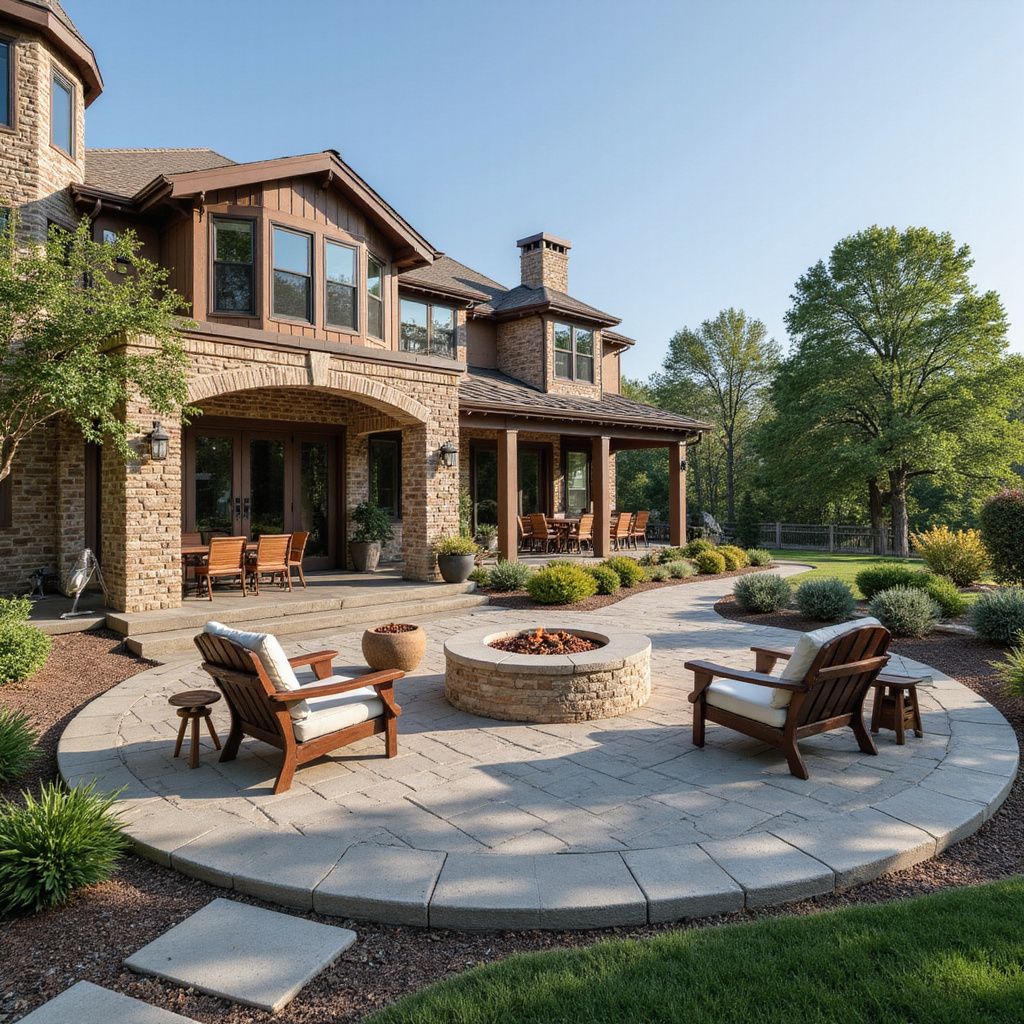
Revive your winter lawn with our complete Iowa spring lawn care checklist. Discover month by month tips for a lush green yard. Read the full guide now.
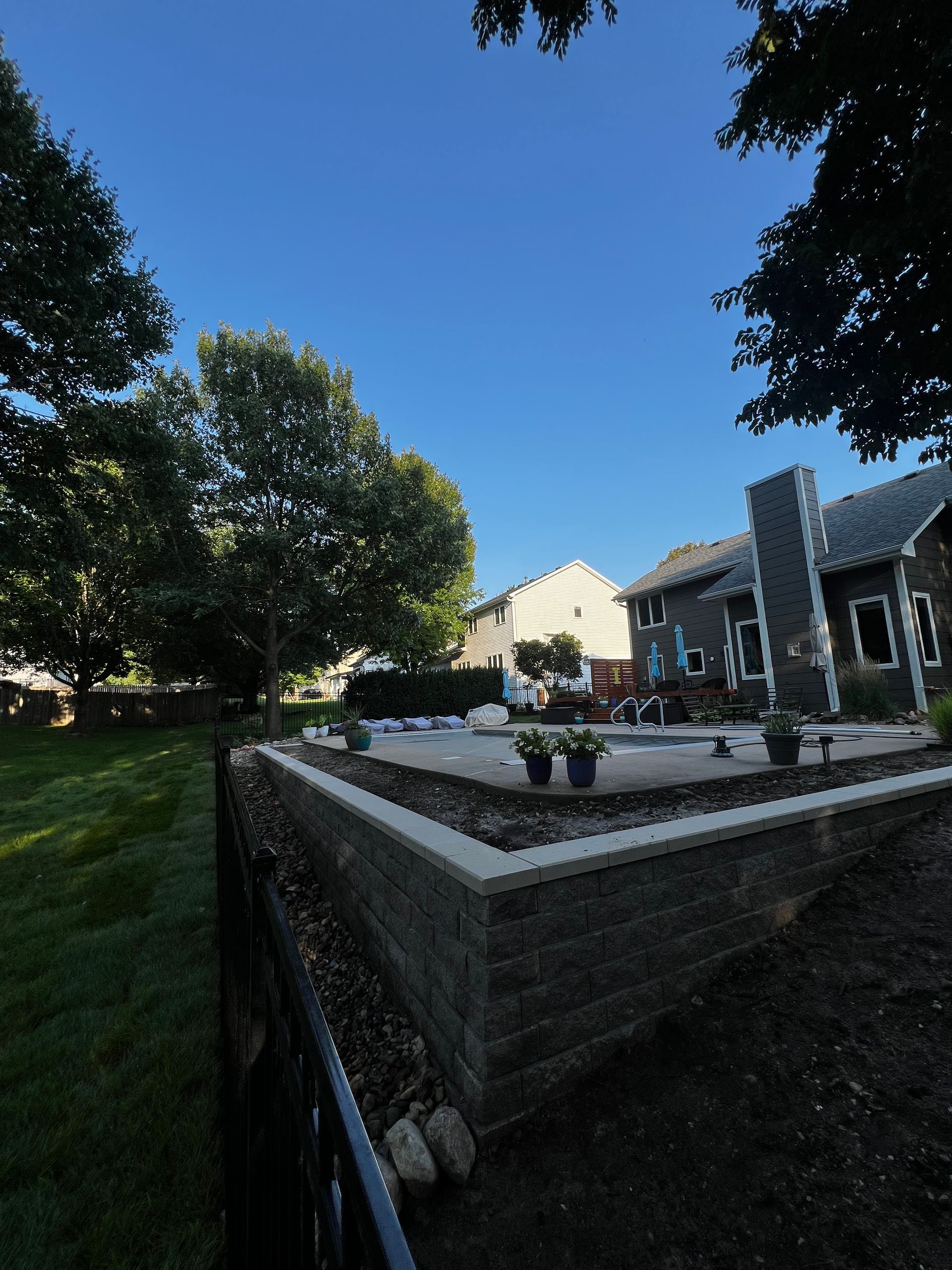
Planning a new backyard? Discover the real cost of Paver Patio Installation Iowa homeowners should expect. Get expert design tips and book your free quote now.

Prevent costly damage with our proven hardscape erosion control guide. Discover how to use retaining walls and drainage to save your yard. Read more here.

Learn how professional landscape lighting design boosts curb appeal and keeps your family safe at night. Click to start planning your dream outdoor space.

Discover the truth about rock vs mulch in Iowa landscapes. We break down costs & weed control to help you choose right. Click here to decide today.
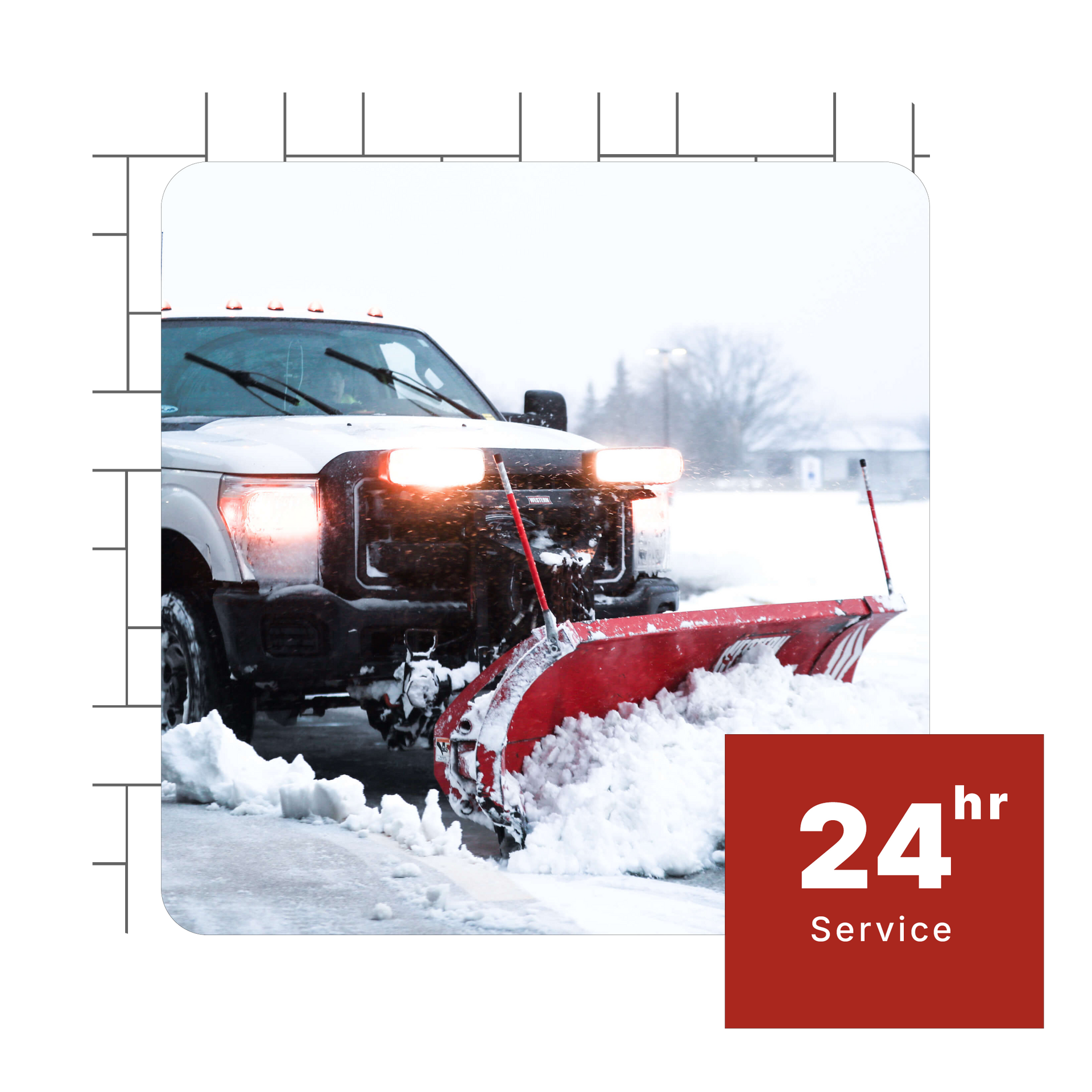
The 4 a.m. Alarm: An Iowa Winter Reality If you’ve lived in Iowa for more than a single winter, you know the sound. It’s not your alarm clock, it’s the muffled ‘scrape-scrape-scrape’ of a shovel hitting concrete before the sun even comes up. Iowa winters are beautiful, sure. The blanket of white over the cornfields is postcard-perfect, until you have to drive through it to get to work or open your shop for customers. That’s when the reality sets in: snow isn’t just weather here, it’s a logistical hurdle. At Larkin Landscape , we’ve spent years battling Iowa’s unpredictable elements, from those heavy, wet snowfalls in December to the biting ice storms of February. One question we often hear from our neighbors in Des Moines , Ankeny, and Iowa City is, "Is there really a difference between hiring someone for my driveway and hiring a crew for my business?" The short answer? Yes. The long answer? It comes down to two things: urgency and liability. Let’s grab a warm cup of coffee and dive into what separates residential snow plowing services from commercial ice management, and why knowing the difference matters for your peace of mind. Residential Snow Removal: Reclaiming Your Morning For homeowners, snow removal is personal. It’s about getting the kids to school safely and not throwing out your back before your first meeting. When you hire a pro for residential snow removal in Iowa, you’re essentially buying time. You’re paying for the luxury of hitting the snooze button while someone else handles the heavy lifting. 1. The Scope is Smaller (But Details Matter) Residential jobs are typically about precision in tight spaces. We aren't clearing acres of asphalt, we’re navigating around your kid’s basketball hoop, your meticulously planted boxwoods, and that one car parked a little too close to the edge of the driveway. Equipment here is different, too. While we might bring a plow truck for a long driveway, we often rely on snow blowers and shovels for the detail work. Why? Because a massive commercial plow can do a number on a residential lawn if you aren't careful. We treat your property like our own, ensuring the snow is moved away from the house (to prevent wet basements when it melts) without burying your mailbox. 2. The Schedule is Life-Dependent Residential triggers are usually simpler. Most homeowners want service after the snow stops falling or reaches a certain depth (usually 2 inches). The goal is clear access. You need to get out of the garage, and the mail carrier needs to get to the door. It’s about restoring the flow of your daily life. Commercial Snow Removal: The Zero Tolerance Game If residential snow removal is about convenience, commercial snow removal is about risk management. For business owners in Iowa, snow isn't just an inconvenience, it’s a liability lawsuit waiting to happen. If a customer slips on a patch of black ice outside your storefront, the consequences are far heavier than just a wet pair of pants. This is where the term ice management takes center stage. 1. It’s Not Just About Moving Snow; It’s About Melting Risk Commercial contracts are intense. We operate with what we call a "zero tolerance" policy for ice. In a residential setting, a little hard packed snow on the driveway might be acceptable for a few hours. In a commercial lot? Absolutely not. This means we aren't just plowing, we are pre-treating surfaces with brine or salting immediately after clearing. Sidewalk clearing becomes a high stakes game. We have to ensure that handicap ramps, loading docks, and emergency exits are down to the pavement. 2. The 24/7 Monitoring Cycle Unlike residential routes that might run once the storm passes, commercial snow removal in Iowa is a round the clock operation. Imagine a hospital entrance or a 24-hour gym. We can’t wait for the snow to stop. We are often out there during the storm, making multiple passes to keep lanes open. We monitor weather radar specifically for ground temperature drops to predict when wet pavement will turn into a skating rink. 3. Heavy-Duty Artillery Remember those snow blowers we mentioned for homes? They rarely cut it here. Commercial jobs require skid steers, frontend loaders, and massive V-plows to stack snow into designated snow piles that won't block visibility for drivers. We have to plan where the snow goes before the first flake even falls, ensuring it doesn't melt and refreeze across the parking lot later. The Science of Salt: It’s Not Just Sprinkling Magic Dust You might think throwing salt down is the universal fix, but in Iowa, it’s actually a science. One thing many people don’t realize is that standard rock salt loses its effectiveness when temperatures dip below 15°F. In January, when we hit those sub-zero wind chills, throwing cheap salt on your sidewalk is like throwing gravel, it won’t melt a thing. This is where the difference in service really shines. For our residential clients, we’re hyper-aware of your landscape and your furry friends. We often use blended products that are gentler on concrete and safe for Fido’s paws. Over-salting a driveway can burn your grass come spring, leaving you with brown edges that are a pain to fix. On the commercial side, however, we often have to use more aggressive treated salts or liquid brine. We can’t risk a ‘slip and fall’ lawsuit, so we use products designed to cut through ice even in extreme cold. It’s a balancing act between safety, budget, and environmental care that requires a professional touch to get right. The Iowa Factor: Why Local Expertise Wins Whether it’s residential or commercial, the Iowa Factor changes the game. Our weather doesn't follow a script. We get those wintry mixes, rain turning to sleet turning to snow, that create a concrete like layer of ice underneath the fluff. National chains that manage snow removal from a call center in a different time zone often miss these nuances. They don't know that the wind whips across the open plains of Central Iowa, causing massive drifts on north facing driveways even after the snow has stopped. At Larkin Landscape, we are local. We know that in Ankeny, the wind chill can freeze a wet sidewalk in minutes. We know the local ordinances in Des Moines regarding how quickly public sidewalks need to be cleared (usually 24 hours). A Human Approach to a Cold Job: We believe that whether you are a frantic mom needing to get the minivan out or a property manager worrying about tenant safety, you deserve a human response. You aren't just a route number to us. ● For our Residential Clients: We promise to respect your property boundaries and your sleep schedule as best we can. ● For our Commercial Clients: We promise documentation. We keep logs of when we plowed and when we salted, protecting you if a liability claim ever arises. Which Service Do You Need? If you are reading this and wondering, "Do I need a commercial contract for my large rural driveway?" or "Can I just hire a neighborhood kid for my small business lot?", here is a quick rule of thumb: ● Traffic Volume: If you have strangers (customers/employees) walking on your property daily, you need commercial grade ice management and insurance protection. ● Tolerance for Delays: Can you wait until the storm ends to leave your house? Residential service is a perfect fit. Do you need the lot clear by 7:00 a.m. sharp regardless of when the storm hit? That’s a commercial necessity. Ready for Winter? Winter in Iowa is inevitable, but the stress that comes with it doesn't have to be. Whether you need your front walk cleared or a shopping center maintained, Larkin Landscape has the local know-how to keep you moving. Don't wait for the first blizzard warning to start Googling "snow plowing services." By then, our schedules and our mugs of hot cocoa are already full. Contact Larkin Landscape Today to discuss your winter plan. Let’s keep Iowa safe, one cleared sidewalk at a time.
Want a stunning yard this year? Learn how to prepare landscape for spring with our proven checklist for hardscapes and plants. Start planning your oasis now.